Welcome to HeterOmics
a resource for comparative genomics, transcriptomics, metabolomics and phenomics of amphibious plants exhibiting heterophylly



Welcome to HeterOmics
a resource for comparative genomics, transcriptomics, metabolomics and phenomics of amphibious plants exhibiting heterophylly
Heterophylly is an extreme form of phenotypic plasticity where multiple leaf types are produced within the same plant. While the term indicates “different types of leaves”, the scientific consensus in recent years confines heterophylly to the leaf shape changes within a single plant induced by environmental factors.
Even though documented in many unrelated plant species, heterophylly is more noticeable in amphibious plants inhabiting the land-water interface. By producing distinct leaf types under terrestrial and submerged conditions, the amphibious plants benefit from heterophylly to thrive in contrasting environments.
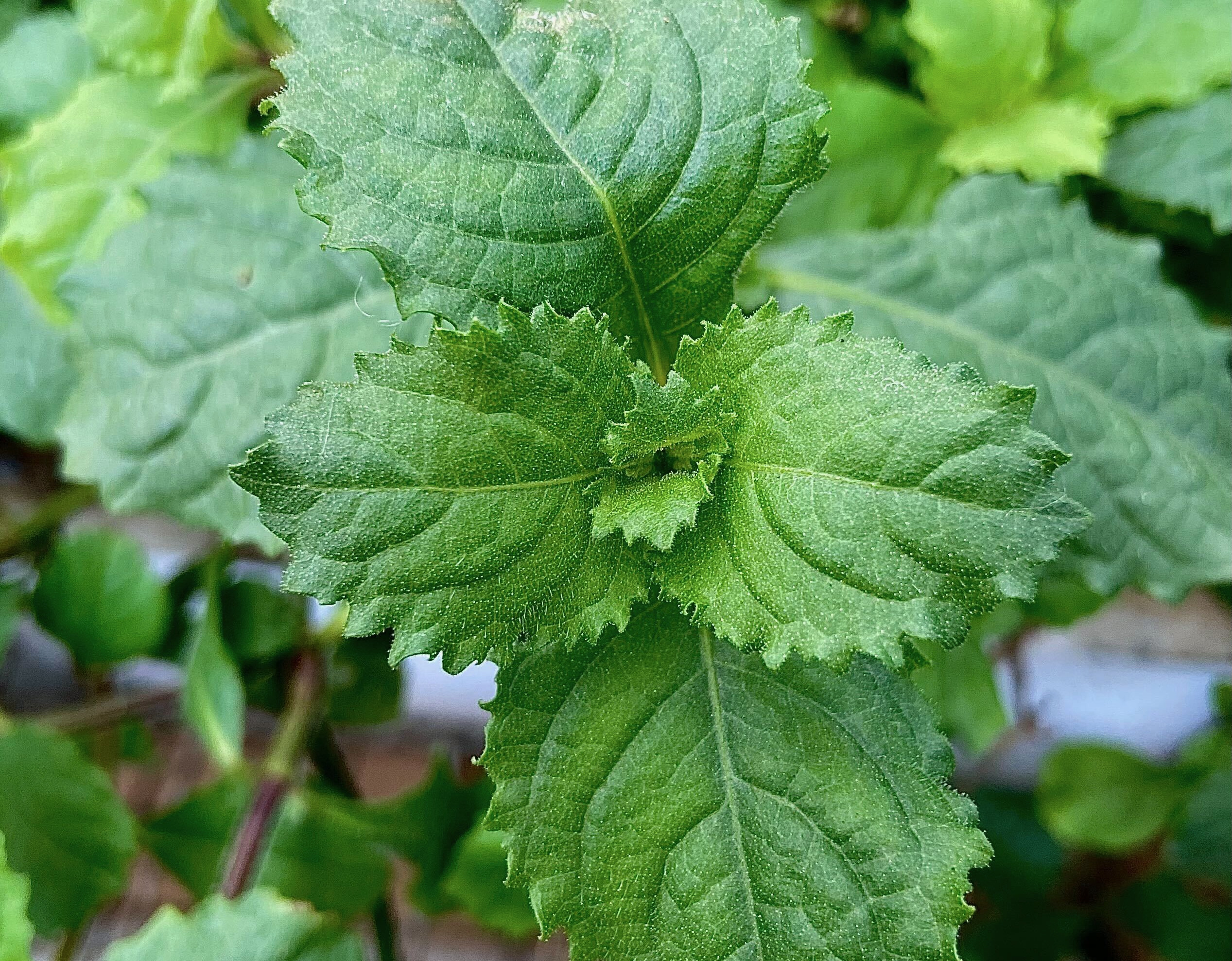
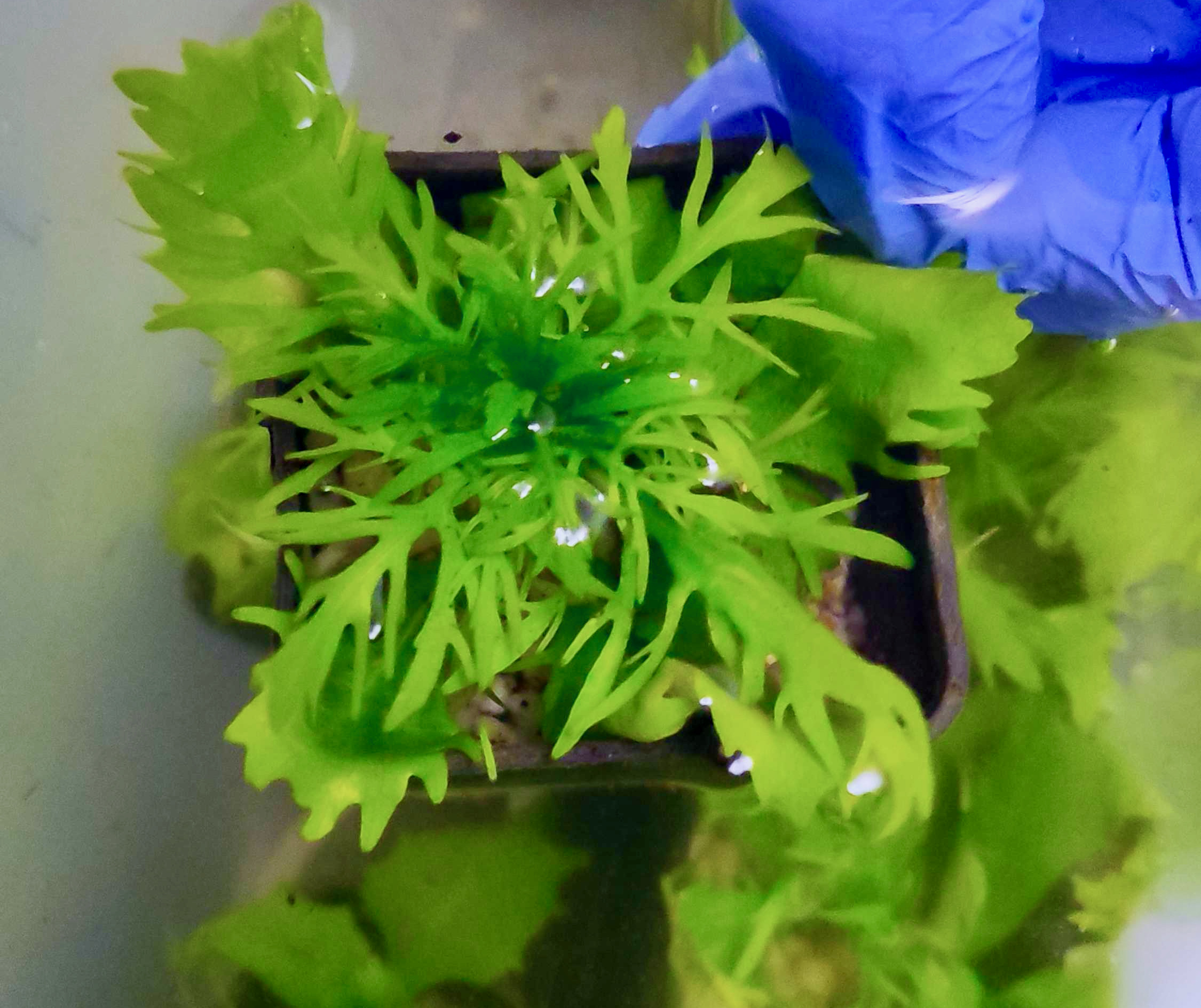
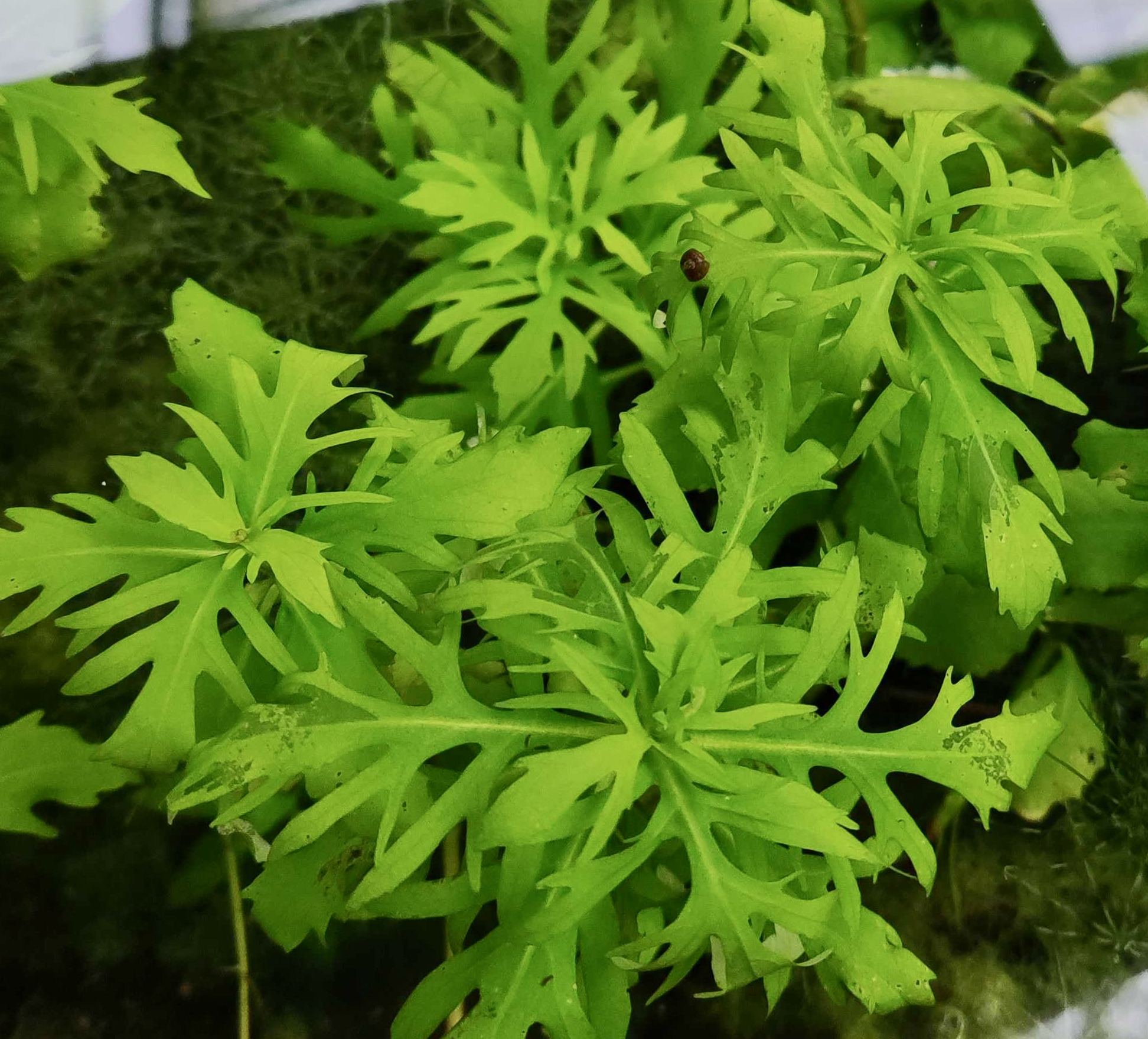
Past years have seen the rise of many amphibious plants as models of heterophylly research. Hygrophila difformis (Hygrophila) is our preferred model primarily due to its conspicuous heterophylly phenotypes, both terrestrial and underwater. Hygrophila produces extremely dissected submerged leaves, in contrast to its simple terrestrial leaves. These morphologically distinct leaf forms also possess unique physiological and metabolic features. The availability of a fully sequenced, comparatively small genome, along with standardised tools and techniques for genetic manipulation, makes Hygrophila an attractive amphibious model for probing the molecular mechanisms of heterophylly induction.
HeterOmics is a database designed for easily searching orthologous genes in Hygrophila and comparing them with other heterophylly model plants whose genome data is publicly available.
Currently, access to HeterOmics is restricted to the Karlsruhe Institute of Technology (KIT) network, and the database includes annotated genomes from a handful of species, including Hygrophila. In the future, we aim to integrate transcriptomic, metabolomic, and phenomic data of heterophyllous amphibious plants, making HeteroOmics a comprehensive platform for in-depth study and comparison.